How to tell how hard a hike really is
Kilometres mislead, elevation gain rules, and there’s a Spanish system that puts it all into numbers: MIDE, explained without claiming it as ours.
READ Route difficultyHow to read a route's data, how long it really takes and what to carry. No sponsored gear lists and no dressing up the figures.
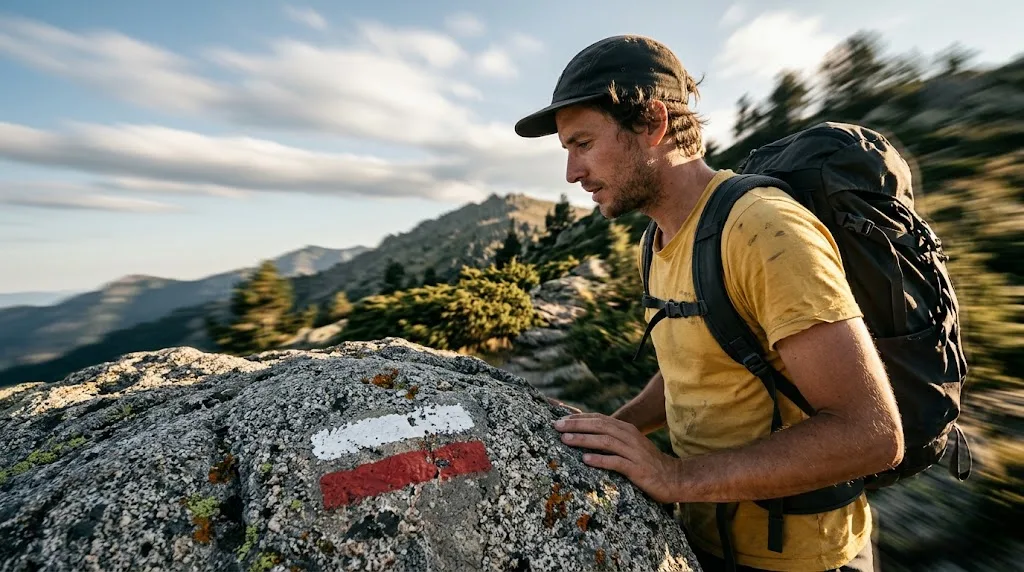
White and red, white and yellow, white and green. What sets a GR apart from a PR, what the cross means and who certifies the trails.
Kilometres mislead, elevation gain rules, and there’s a Spanish system that puts it all into numbers: MIDE, explained without claiming it as ours.
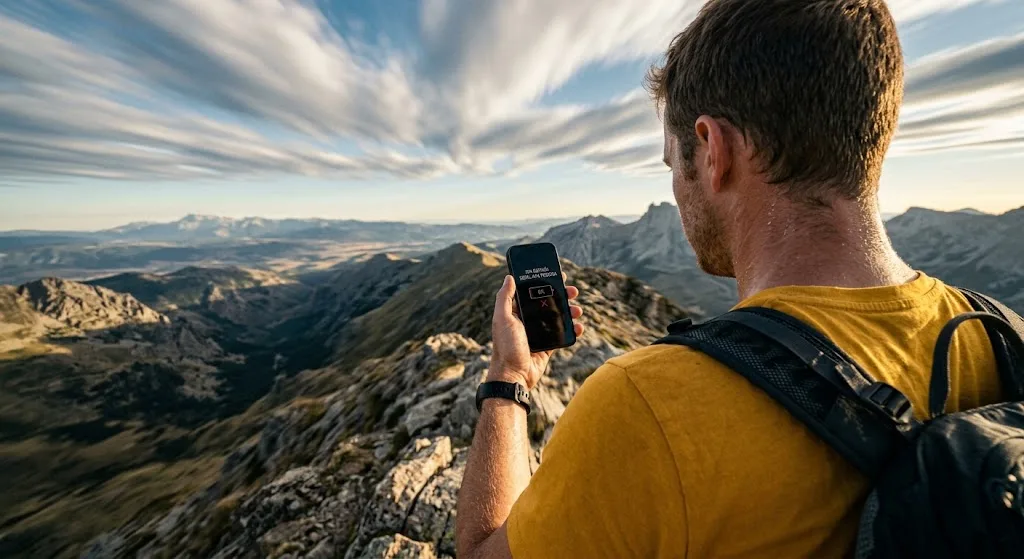
READ Route difficultyWhy GPS drains your phone battery, what the recording interval changes and what you can really count on with the screen off.
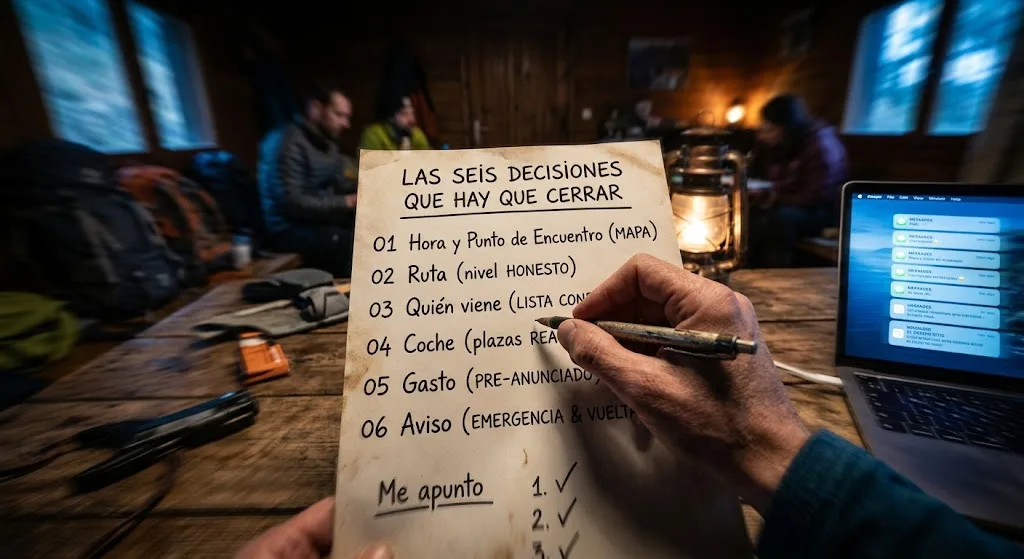
READ Recording without draining your batteryThe six decisions to settle before Saturday night when you organise a group hike, and why the plan always ends up scattered across eight places.
READ Organising a group hike
Two 14 km routes can be three hours apart. The answer is in the elevation profile, and in the vertical axis scale that almost nobody checks.
READ How to read an elevation profileWhat changes between a two-hour hike and an eight-hour one, what’s never up for debate, and why the weight on your back shows up on the clock too.
READ What to pack in your rucksackNaismith’s rule says one thing, the clock another. How a hike’s estimated time is worked out, why it nearly always falls short and how to correct it.
READ How long it takes to climb 800 metresGPS elevation gain is easily inflated by 20-40%. Why it happens, what trees, stops and barometric altimeters have to do with it, and how to read the figure.
READ Why your GPS inflates elevation gain